Phantom limb pain after amputation can be frustrating, disruptive, and difficult to manage – especially when it continues long after the initial healing process. Residual limb pain can also affect comfort, sleep, mobility, prosthetic use, and everyday activities.
But persistent pain after an amputation doesn’t always have a single cause. At Westcoast Brace & Limb, we believe the first step is understanding where your pain may be coming from. Sometimes the answer may involve evaluating the fit and function of your prosthesis. For others with chronic post-amputation pain, it may be appropriate to explore additional treatment options.
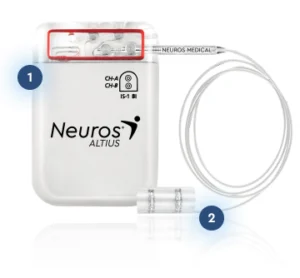
That’s why Westcoast Brace & Limb is now offering screenings to help identify lower-limb amputees who may benefit from further evaluation for the Altius® Direct Electrical Nerve Stimulation System, an FDA-approved implanted treatment option for certain adults living with chronic phantom and residual limb pain.
For some lower-limb amputees, phantom or residual limb pain continues despite efforts to manage it.
When pain becomes chronic and difficult to manage, additional evaluation may be appropriate. One newer option available for certain adult lower-limb amputees is the Altius® Direct Electrical Nerve Stimulation System.
What Is Phantom Limb Pain?
Phantom limb pain is pain that feels as though it is coming from a limb or portion of a limb that is no longer present.
The sensation can vary from person to person and may feel like burning, aching, throbbing, stabbing, cramping, or shooting pain. For some, it occurs occasionally; for others, it can become persistent and interfere with daily life.
Phantom sensations aren’t necessarily painful. Phantom limb pain specifically refers to pain perceived in the amputated portion of the limb.
What Is Residual Limb Pain?
Residual limb pain is felt in the part of the limb that remains after an amputation.
There are many possible reasons someone may experience residual limb pain. This is one reason it’s important not to assume that persistent pain automatically requires a particular treatment.
For someone who uses a prosthesis, the prosthesis itself is one of the things that should be evaluated.
Could Your Prosthesis Be Contributing to Your Pain?
Before looking beyond the prosthesis, it’s important to make sure the device is fitting and functioning appropriately.
Changes can occur over time, even with a prosthesis that previously felt comfortable. Your residual limb can change in size or shape, your activity level can change, and the way you walk can evolve.
A prosthetic evaluation may look at factors such as:
- Socket fit
- Residual limb volume changes
- Areas of excessive pressure
- Alignment
- Prosthetic components
- Skin irritation or breakdown
- Changes in gait or function
Sometimes the solution may start with the prosthesis.
An adjustment to your prosthesis or its fit may improve comfort and reduce pain.
At Westcoast Brace & Limb, that’s an important part of our screening process. Our goal isn’t simply to determine whether you might qualify for another treatment. It’s to help determine what may be contributing to your pain and what the appropriate next step may be.
When Persistent Pain May Require Another Approach
Why Is the Altius System Different?
Several features distinguish Altius from other approaches to chronic post-amputation pain:
FDA-approved for chronic post-amputation pain. Altius is FDA-approved as an aid in managing chronic, intractable phantom and residual lower-limb post-amputation pain in adult amputees.
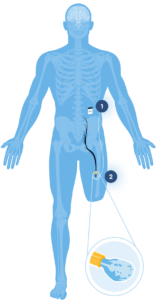
Targets a peripheral nerve. An implanted cuff electrode is positioned around the targeted nerve in the amputated leg, where the system delivers electrical stimulation.
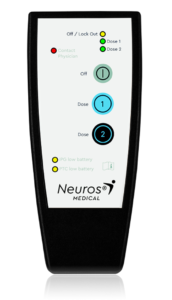
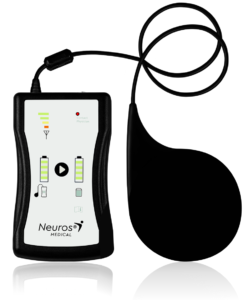
Patient-controlled treatment. The patient uses a handheld controller to initiate treatment when needed.
Screening comes first. For Westcoast patients, the process begins by understanding the pain and evaluating the prosthesis—not by assuming one treatment is the answer.
How the Westcoast Brace & Limb Screening Process Works
Take the First Step
If phantom limb pain or residual limb pain is still affecting your comfort, sleep, mobility, prosthetic use, or quality of life, it may be time to take another look at what’s causing it.
Start with Westcoast Brace & Limb’s short Candidate Screening Questionnaire. We’ll review your information, evaluate your prosthesis and symptoms, and help determine what the appropriate next step may be.
There is no obligation to pursue Altius treatment.
Frequently Asked Questions About Phantom Limb Pain After Amputation
Want to Learn More About the Altius® System?
Before completing the screening, patients who want additional information can review these resources directly from Neuros Medical: